
.png)
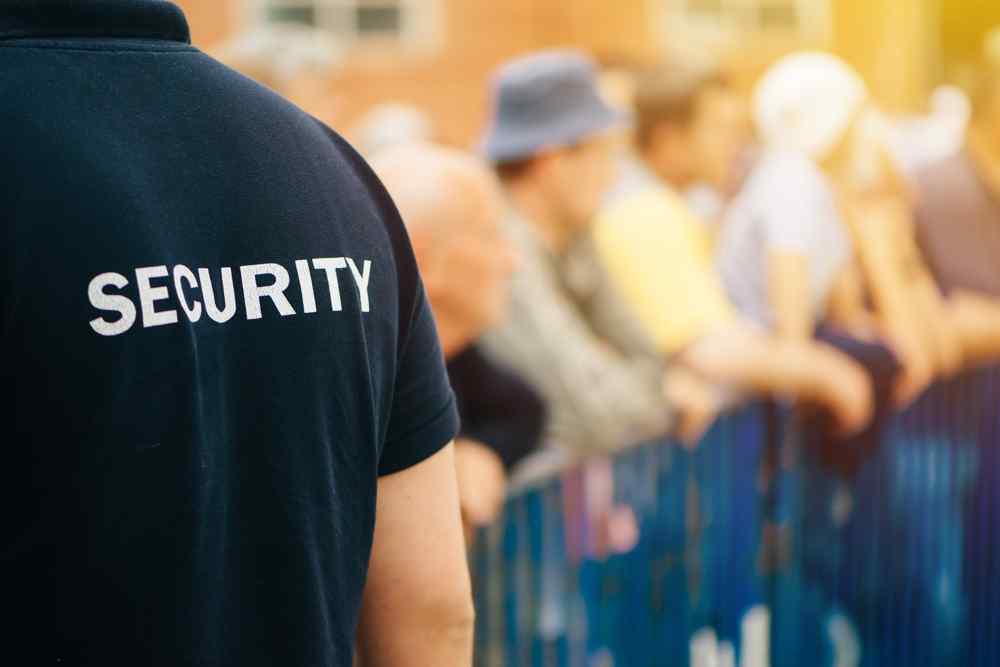
Large-scale events come with unique safety challenges—from crowd control and unauthorized access to theft, emergencies, and even coordinated threats. For event organizers in high-density areas like Seattle, the key to a successful event lies not only in great planning but in a proactive, multi-layered security strategy.
In this post, we’ll break down the core pillars of effective event security using expert insights, entity-based planning, and actionable recommendations tailored for organizers, venue operators, and security professionals alike.
Event security refers to all measures taken to protect attendees, staff, vendors, and property during a planned gathering or public event. It includes crowd management, entry control, perimeter security, emergency response, and often collaboration with local law enforcement.
Events that require professional security include:
Each event type requires a nuanced approach based on location, crowd size, risk profile, and duration.
A thorough pre-event risk assessment is the foundation of effective security. This includes:
Tools like CPTED (Crime Prevention Through Environmental Design) and crowd simulation software can help model behavior patterns and identify vulnerable areas.
Access control is critical for large events. Best practices include:
Event security teams should also plan for prohibited item enforcement and bag size rules to reduce risk.
High-density crowds present challenges like trampling, bottlenecks, and escalated conflict. Event organizers should:
Consider integrating AI-based camera analytics to detect congestion, altercations, or unauthorized activity in real time.
Modern event security incorporates technology to amplify guard visibility and response.
Advanced systems allow integration with access control logs, license plate readers, and even drone surveillance for high-profile or outdoor events.
Every event should have a detailed emergency plan tailored to its scale and setting. This includes:
Security teams should conduct tabletop exercises and live simulations prior to event day.
The quality of your security personnel is often the single most important factor in preventing and managing incidents.
Look for a provider that:
In Washington, event security companies must also comply with all WAC licensing requirements and training mandates.
Stonewall Security provides licensed event guards throughout Seattle and the surrounding area.
Large events are exciting—but without proper planning, they can quickly spiral into unsafe territory. By conducting proactive assessments, designing for crowd safety, and integrating modern surveillance and trained guards, you’ll create a secure environment where guests can enjoy themselves with confidence.
If you’re planning a public or private event in the Seattle area, reach out to Stonewall Security for a custom consultation and safety assessment.

