
.png)
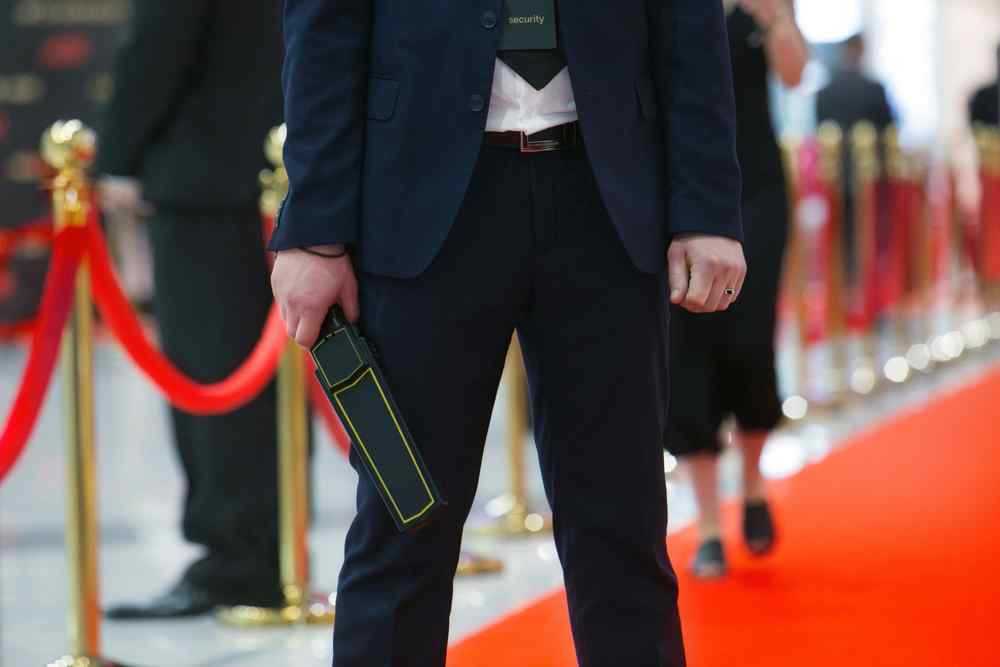
Credentialed access is a critical layer of security for any large event. Whether you're managing a concert, trade show, political rally, or corporate function, controlling who enters where—and when—is the foundation of a safe and well-organized environment.
In this article, we’ll walk you through how to design effective credential systems and access zones that keep your event secure without slowing down operations.
Without clear credentialing, event security can quickly break down. Unauthorized access to backstage areas, VIP lounges, or equipment zones can lead to theft, disruptions, or safety violations.
Credential systems:
Credential types should align with both access level and operational efficiency.
Common categories include:
Use color coding, bold labels, and zone maps on each badge for easy recognition.
Before the event, divide your venue into security zones based on function and risk.
Typical access zones include:
Each zone should have at least one guarded checkpoint and clearly marked signage. Create a **credential zone map** and distribute it to all security staff.
Technology improves enforcement and traceability.
Make sure your credential system is integrated with gate management and surveillance tools for comprehensive oversight.
Security guards must be briefed on:
Equip each checkpoint with credential reference sheets and radios for instant verification if needed.
Learn more about our trained event security teams at Stonewall Security.
Some common credentialing pitfalls include:
- Overlapping zone access with unclear separation
- Badge designs that are hard to read or forgeable
- No contingency plan for lost or stolen credentials
- Understaffed access points
Avoid these by building redundancy into both design and staffing. Conduct a dry run or walkthrough with your team prior to the event.
An effective credential system doesn’t just secure your venue—it streamlines your entire event operation. By implementing clear access levels, trained staff, and smart credential management tools, you’ll build a safer and more efficient experience for everyone involved.
Need help designing credentialing systems for your Seattle-area event? Contact Stonewall Security for expert support.

