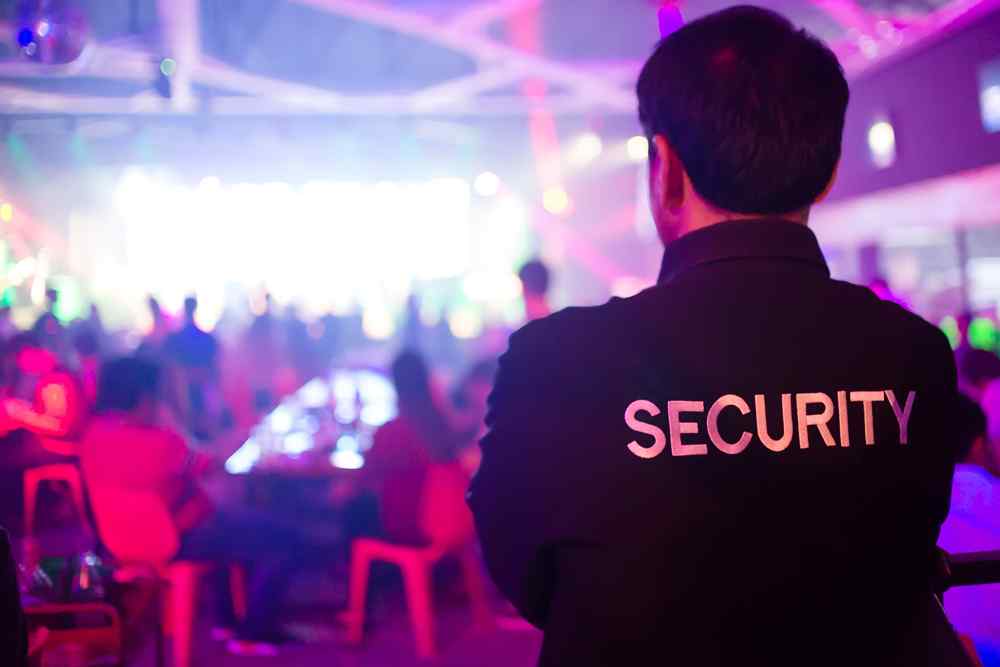
Top Crowd Control Techniques for Festivals and Large Events

December 5, 2025

blog post

Introduction

Large gatherings—whether music festivals, cultural events, political rallies, or community fairs—carry complex safety risks due to high crowd density and unpredictable behavior. A single bottleneck or surge can cause injuries, panic, or worse.

In this article, we explore the most effective crowd control strategies used by professional security teams to keep attendees safe, maintain event flow, and ensure compliance with local safety regulations.

Why Crowd Control Is Critical at Large Events

Crowd control isn’t just about keeping lines orderly—it’s a vital component of public safety. Poor crowd management has led to trampling, fights, gate-crashing, and even fatal stampedes.

Key risks include:

  • Overcrowding at entry/exit points
  • Restricted emergency access
  • Conflicts or panic in congested zones
  • ADA non-compliance in high-density pathways

Effective crowd control planning minimizes liability, ensures guest satisfaction, and satisfies permitting requirements.

Pre-Event Planning: Understanding the Venue and Audience

Start by assessing:

  • Ingress/egress flow capacity: How many people can move through an area per minute?
  • Choke points and high-traffic zones: Where will congestion build naturally?
  • Audience demographics: Are attendees families, youth, or VIPs with special needs?
  • Expected peak times: When are rushes likely to occur (e.g., gates opening, main act)?

Tools like CAD mapping, traffic modeling, and historical attendance data help identify crowd movement patterns in advance.

Barricades and Physical Layout Design

Smart use of barricades and fencing is essential to shaping crowd movement.

Best practices include:

  • Zoning with barriers: Separate general admission, VIP, backstage, and staff-only zones
  • Snake-line queue formation: Prevent crowd surges at entry checkpoints
  • Pedestrian “fire lanes”: Keep cross-traffic routes clear through food or vendor areas
  • Emergency egress corridors: Unobstructed, clearly marked, and well-lit

Use robust, interlocking barricades (e.g., steel bike racks, jersey barriers) for high-pressure areas like stage fronts or entrances.

Using Staff and Security Strategically

Proper staffing is a force multiplier. Key roles include:

  • Gate attendants: Control access and scan tickets
  • Zone guards: Patrol critical areas (e.g., near stages, food vendors, restrooms)
  • Rovers: Mobile patrols that fill gaps and respond to calls
  • De-escalation specialists: Trained in crowd psychology and conflict resolution
  • Supervisors: Monitor guard performance and communicate with event managers

Stonewall Security provides licensed, uniformed officers trained specifically for event environments.

Signage, Lighting, and Attendee Communication

Many crowd issues stem from confusion. Clear visual communication reduces pressure points.

Implement:

  • Directional signage with arrows and zone names
  • Digital displays with schedules and crowd alerts
  • PA systems for updates, lost children, or security announcements
  • High visibility lighting at transitions and exits

Use consistent language and universal symbols to improve accessibility.

Technology and Real-Time Monitoring

Modern events benefit from real-time data:

  • People counters at entry and key zones
  • AI-based camera analytics to detect crowd density, bottlenecks, or unusual movement
  • Mobile command centers for surveillance, dispatch, and supervision
  • Drone surveillance for wide-area visibility at outdoor events

Integrated platforms allow instant coordination between security staff and law enforcement.

Post-Event Crowd Dispersal

Event safety doesn’t end when the show does.

Plan for:

  • Staggered exit strategies (e.g., dismiss sections gradually)
  • Clear transportation signage (rideshare, shuttles, public transit)
  • Staffed wayfinding to guide foot traffic
  • Ongoing surveillance to deter theft, loitering, or post-event disputes

Dispersal planning reduces pressure on public infrastructure and improves guest experience.

Conclusion: Proactive Crowd Safety Starts with Planning

Crowd control is not reactive—it’s engineered into every part of an event’s infrastructure. From pre-event venue analysis to trained guard placement and real-time monitoring, every decision plays a role in creating a safe, enjoyable environment.If you're organizing a public or private event in Seattle, contact Stonewall Security for a free event assessment and expert crowd control planning.

Are you looking to hire security guards? Let's chat - we'll actually respond back.
Close Pop-up icon