
.png)
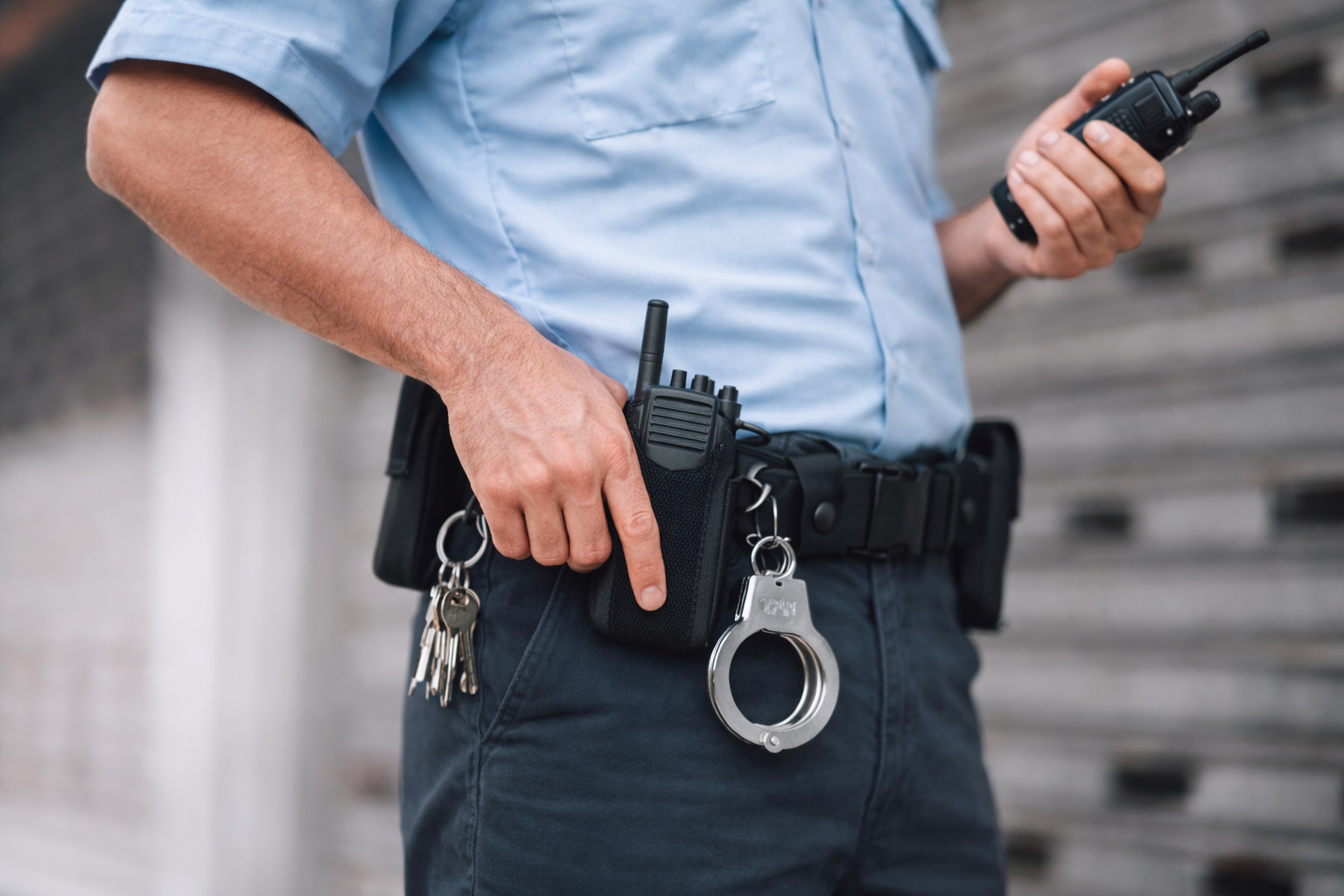
Security personnel play an essential role in maintaining safety, preventing incidents, and supporting daily operations across many types of properties. Businesses, property managers, construction companies, and public institutions rely on professional security guards to create a visible presence that helps reduce risk and manage situations when they occur.
One of the most common questions during the hiring process involves the difference between armed and unarmed security guards. Understanding the role each type of guard plays helps determine which option fits a property’s level of risk, the nature of the environment, and the responsibilities expected on site.
This guide explains the key differences between armed and unarmed security guards, how their duties compare, and how to determine which option is appropriate for a specific location.
Security guards are responsible for maintaining order, monitoring property activity, and responding to incidents that may threaten safety. Their presence alone often discourages theft, vandalism, trespassing, and other forms of disruptive behavior.
Security personnel may be stationed at entrances, patrol buildings and surrounding grounds, monitor cameras, or manage visitor access. In many environments they also assist with reporting incidents, contacting emergency services, and guiding people during emergencies.
While all security guards share the goal of maintaining safety, their training and equipment vary depending on whether they are armed or unarmed.
When comparing armed vs. unarmed security guards, the biggest differences come down to training, level of risk, responsibilities, and cost. In general, unarmed guards are best for routine protection, access control, and visible deterrence, while armed guards are better suited for high-risk locations or properties with valuable assets.
For most businesses, the right choice depends on the property’s risk level, the type of people entering the site, and whether the goal is routine monitoring or protection against more serious threats.
Unarmed security guards are the most common type of security personnel used by businesses and property managers. They perform essential security duties without carrying a firearm.
Their primary responsibility is prevention through visibility, observation, and professional response. The presence of a trained guard can significantly reduce incidents simply by demonstrating that the property is actively monitored.
Unarmed guards perform several tasks that support daily property operations. Their role focuses on monitoring activity, controlling access, and responding to routine situations.
Common duties include:
• Monitoring entrances and exits
• Verifying identification and visitor logs
• Managing delivery access
• Conducting patrols to check doors, gates, and restricted areas
• Observing surveillance cameras
• Responding to alarms and documenting incidents
Unarmed security is used across many industries where a visible security presence is needed.
Common environments include:
• Retail stores and shopping centers
• Construction sites
• Residential communities
• Office buildings and corporate campuses
• Healthcare facilities and schools
• Warehouses and property management locations
In these settings, unarmed guards help maintain order, monitor activity, and support daily operations.
Armed security guards carry firearms and receive specialized training that prepares them to respond to higher risk situations. Their role is designed for environments where the potential for serious threats requires a stronger security presence.
Because armed personnel carry weapons, they must meet stricter licensing requirements and complete additional training. This training focuses on firearm safety, threat assessment, and responsible use of force.
Armed guards are typically assigned to locations where the risk of violent crime, valuable assets, or sensitive operations increases the need for stronger protection.
Armed guards often perform many of the same tasks as unarmed personnel, including:
• Monitoring property activity
• Controlling building access
• Conducting security patrols
• Observing surveillance systems
• Responding to incidents
However, armed guards are specifically prepared to respond to higher risk threats and coordinate closely with law enforcement if a dangerous situation develops.
Their training emphasizes judgment, communication, and maintaining control during high pressure incidents.
Armed security guards are typically assigned to locations where the risk level is higher or where valuable assets require stronger protection.
Common environments include:
• Financial institutions such as banks
• Jewelry stores and luxury retailers
• Government facilities
• Critical infrastructure locations
• High risk commercial properties
• Certain large events or venues
In these situations, the visible presence of armed security can significantly reduce the likelihood of serious incidents.
Training requirements represent one of the biggest differences between armed and unarmed security guards.
Unarmed guards complete state required training that typically covers observation techniques, incident reporting, communication procedures, and legal responsibilities while working on private property.
They learn how to identify suspicious behavior, respond to alarms, document incidents, and coordinate with emergency responders when needed.
Armed guards must complete all of the same training and additional firearm certification. This includes safe handling of firearms, defensive procedures, and strict rules governing when a weapon may be used.
Because armed guards carry greater responsibility, background checks and licensing requirements are often more extensive. Regular training updates are also common to ensure compliance with state regulations.
Cost is another factor that influences which type of security service is selected.
Unarmed security services typically cost less because they require less specialized training and equipment. For many businesses this option provides effective protection while keeping operating costs manageable.
Armed security services generally cost more due to the advanced training, licensing, and insurance requirements involved. In some cases armed services can cost significantly more than unarmed services depending on location and staffing requirements.
Because of this difference, many organizations evaluate their actual risk level before deciding which type of security coverage they need.
Selecting between armed and unarmed security guards begins with evaluating the specific needs of the property.
The first factor involves assessing the level of risk. Locations that handle valuable assets or operate in higher crime areas may require armed protection. Properties focused primarily on monitoring access and preventing routine incidents may only require unarmed personnel.
The second factor involves the environment itself. Public facing locations such as retail stores or residential communities often prefer unarmed guards because they provide a welcoming presence while still maintaining safety.
Another consideration involves the expectations of tenants, employees, and visitors. Some environments may benefit from the reassurance that armed protection provides, while others prioritize a less intimidating security presence.
A professional security provider typically reviews property layout, daily operations, and risk factors before recommending the appropriate security solution.
Security is most effective when it is carefully planned rather than reacting only after problems occur.
A professional security company evaluates access points, lighting conditions, property size, and operational needs before determining how guards should be deployed. This planning ensures that personnel are positioned where they can monitor activity effectively and respond quickly if necessary.
Proper planning also determines whether armed or unarmed guards are appropriate, how patrol routes should be structured, and how surveillance systems integrate with security personnel.
The result is a security strategy designed specifically for the property rather than a generic approach.
Every property faces different security challenges. Whether the goal is controlling access, protecting valuable assets, or maintaining a visible safety presence, choosing the right type of security guard makes a meaningful difference.
Stonewall Security provides trained security personnel who support businesses, construction sites, residential communities, and commercial properties across Washington. Their team works closely with clients to understand operational needs and recommend the right level of protection.
If you are considering security services and want guidance on whether armed or unarmed guards are the right fit for your property, reach out to Stonewall Security to discuss your security needs and request a consultation.

