
.png)
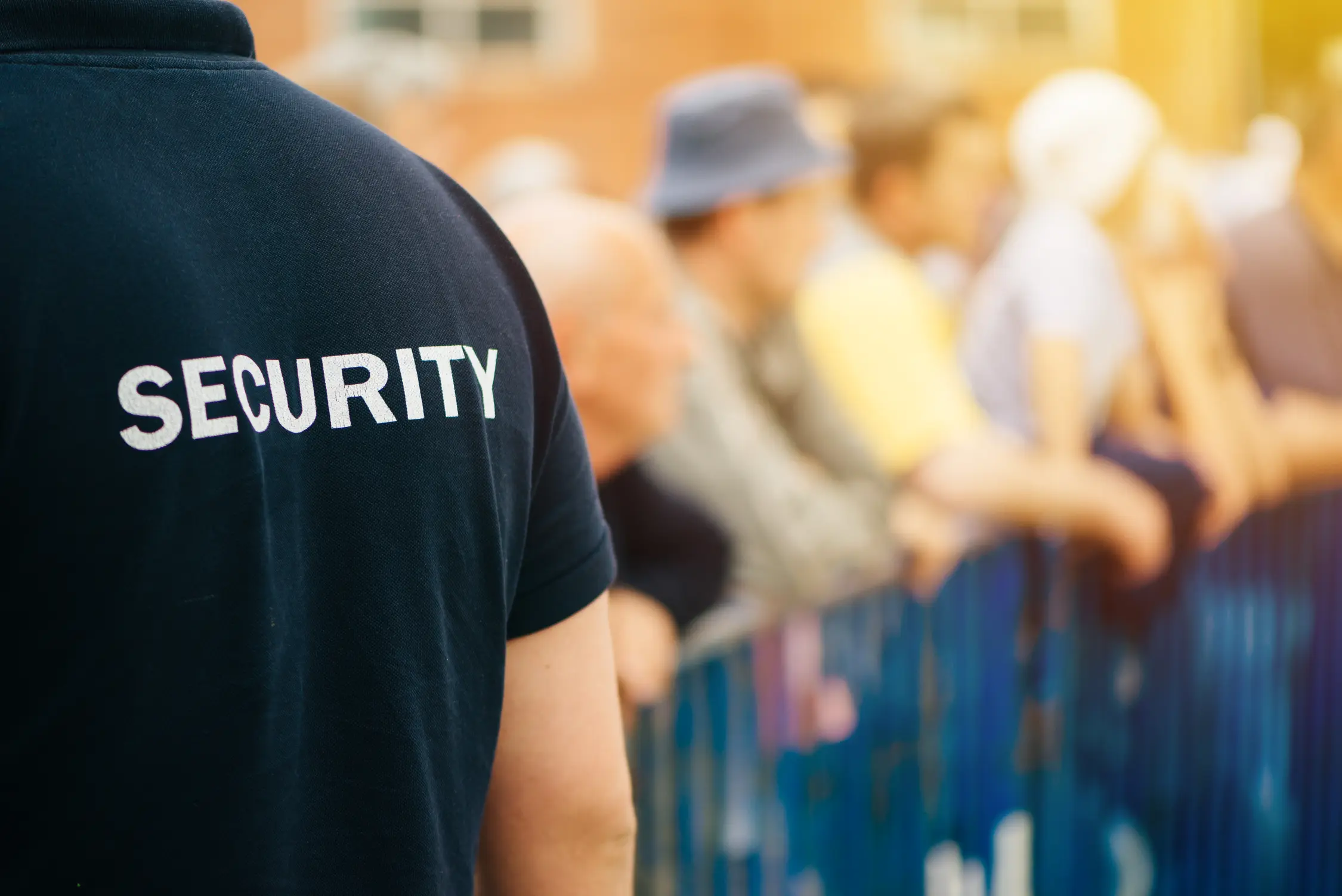
Event security planning is the work you do before the doors open, mapping out who covers what, where the risks sit, and how problems get handled, so the event runs smoothly once people start arriving. By the time the first guest walks in, the decisions that matter have already been made. Entry points are staffed, restricted areas are defined, roles are assigned, and everyone knows who responds when something goes wrong. Skip that preparation and the gaps show up at the worst possible moment: a side door no one is watching, a line backing into the parking lot, a dispute near the bar with no one assigned to step in.
For the event you are running, good planning is what separates a calm, well-run gathering from one where staff spend the night reacting. This guide walks through what to prepare ahead of time, from the venue walkthrough and coverage map to the timeline, the people, and the requirements worth confirming before the date.
Every solid plan begins with walking the venue, ideally with your security provider, well before the event. A space looks very different on paper than it does when you are standing in it thinking about how a few hundred people will move through it. The walkthrough is where you find the weak points while there is still time to cover them.
Pay attention to:
Writing these down turns a vague sense of the space into a concrete list of what needs coverage, which is the foundation everything else is built on.
Most of what event security does comes back to one question: who is allowed where? Settling that before guests arrive prevents the confusion that derails an entrance in the first ten minutes.
Entrances set the tone. This is where lines form, badges or guest lists get checked, and uninvited people are turned away. Decide ahead of time how guests are verified, how vendor access is separated from guest entry, and how many staff each entry point needs at peak arrival. A smooth entrance keeps the energy of the event positive; a chaotic one creates a backlog that ripples through the night.
Decide which areas are off-limits to guests and how they will be kept that way. Backstage rooms, equipment areas, offices, and storage all need a clear boundary and someone responsible for it. Controlled access protects property and lets staff and vendors work without guests wandering into spaces that slow the operation down or create risk.
Once you know the space and the access points, assign coverage zone by zone. A simple map of where guards go and what each position handles keeps the plan from living only in someone's head. It also makes staffing levels obvious: if you have more zones than people, you have found a gap before the event rather than during it.
The exact zones depend on your event, but the principle holds: every area with a foreseeable risk should have someone whose job it is to watch it.
Event security planning works best as a sequence, not a single conversation the week before. Pulling it together in the right order gives your provider time to staff the event properly and learn the site. A workable lead-up looks like this:
Late planning is where coverage gets thin. Rushed staffing, an unfamiliar site, and missed details are how a side entrance ends up uncovered. If you are still deciding whether the event needs professional coverage at all, it helps to review when to hire event security before locking the plan.
A coverage map only works if the people behind it know their roles. Before guests arrive, confirm who handles an intoxicated guest, who contacts management, who calls for outside help, and how staff reach each other across the venue. Radios or a clear communication chain matter as much as guard placement, because a problem spotted in the parking lot is useless if no one inside hears about it.
Plan for the full event window, not just the guest-facing hours. Setup and breakdown are vulnerable stretches: doors propped open, equipment moving, people coming and going quickly. Many event problems happen before the first guest arrives or after the last one leaves, so coverage should stretch from load-in to the moment the site is secured.
It is also worth being clear about what security can and cannot do. Guards provide presence, access control, observation, and a calm first response, and they coordinate with police or emergency services when a situation calls for it. They are not law enforcement and do not carry police powers, so the plan should route serious incidents to the right authorities rather than expecting staff to manage them alone.
Some venues, permits, or insurance policies require event security depending on the size, location, alcohol service, or type of gathering, and those requirements can vary. Confirm them early with the venue, local authorities, and your insurer so a missing piece does not surface days before the event. In Washington, security staffing is provided by licensed personnel, and specifics around licensing, alcohol service, and occupancy are worth verifying with the relevant authority rather than assumed. A requirement sets the floor; the real plan is shaped by your crowd, layout, and risk level.
Strong event security planning comes down to preparing the venue, the coverage, the timeline, and the people before anyone arrives. Stonewall Security builds event security around your specific event, walking the site, mapping coverage to real access points and risks, and staffing with licensed, background-checked officers from setup through closing. We have handled this for gatherings across Washington, including large public events with thousands of attendees and plenty of moving parts.
If you have an event coming up and want coverage built around its real needs rather than a generic template, request an event security consultation. We'll actually respond.

