
.png)
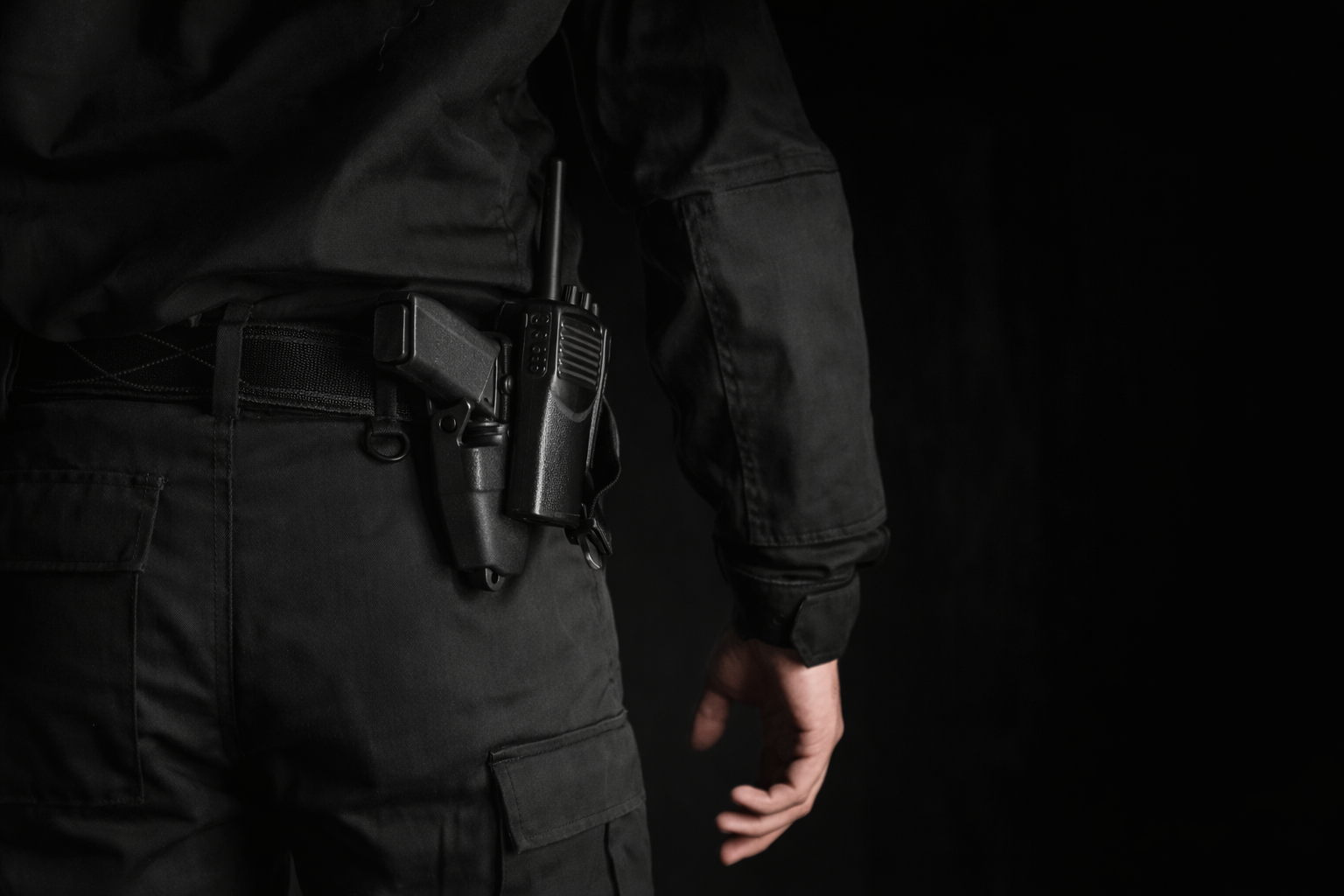
Security pricing is rarely a single number you can look up and apply to every situation. What you are paying for is a mix of people, planning, supervision, and accountability, all shaped by your hours, your location, and the level of risk you need to manage. That is why two properties in the same city can receive very different quotes, even when they both say they need “security.”
If you are trying to understand how much security costs, the most useful approach is to follow the same order most buyers go through. First you define what the service must accomplish. Then you choose the type of coverage that matches that goal. Then you learn what factors change the quote, how proposals are structured, and how to translate hourly pricing into a realistic monthly budget.
Security services are often described as “guards” or “patrol,” but the real deliverable is more complete than a person standing at a post. A professional security program typically includes staffing, scheduling, site orientation, reporting, and oversight.
An officer’s presence is the obvious part, but readiness is what makes that presence effective. That includes training, clear post instructions, and knowing how to handle the most likely incidents at your location, whether that is unauthorized entry, theft, loitering, workplace conflict, or after hours access.
A reliable security operation requires coverage that stays consistent when someone calls out, when a schedule changes, or when a situation escalates. Some providers build strong supervision into the service. Others leave the client to notice gaps after they happen. The difference affects cost, but it also affects outcomes.
Reporting is not just paperwork. It is the record of what happened, when it happened, and what actions were taken. It is also how you measure whether security is actually improving conditions over time. Better reporting usually requires better systems and clearer post expectations, which can influence pricing.
Before you compare numbers, you want to match the service model to the reality on your site. This is one of the fastest ways to avoid overpaying.
Unarmed officers are often used for visible deterrence, access control, monitoring activity, and responding to incidents until the appropriate next party takes over. In many settings, unarmed coverage delivers the best balance of presence and cost, especially when the goal is prevention and order.
Armed coverage is generally priced higher because it carries greater operational risk, more stringent requirements, and a narrower use case. It tends to be appropriate when the threat profile is elevated, when the location has a history of serious incidents, or when the environment involves high value assets that require a stronger posture.
Mobile patrol is a different structure than standing coverage. Instead of continuous presence, you are paying for scheduled checks and documented activity. Patrol can be a smart fit when incidents are infrequent but you still need deterrence, visibility, and a consistent routine that discourages bad behavior.
Event security is often priced around staffing levels, shift length, and how controlled the environment needs to be. A small event with simple entry flow is priced very differently from an event with crowd management, multiple access points, and high expectations for coordination.
Cameras, access control, and monitoring can be part of a broader security plan, either reducing the need for continuous staffing in some contexts or extending visibility in others. Technology can shift costs from labor toward equipment and ongoing management. The best use cases are the ones where the technology is designed around how the property actually operates, not around a generic template.
Once you know the service type, the quote is shaped by a set of predictable variables. Understanding these makes it easier to read proposals and compare providers fairly.
Security is heavily driven by labor. The number of coverage hours per week is one of the biggest multipliers. A location that needs coverage only during closing hours will have a very different cost profile than a location that needs consistent coverage through nights and weekends.
Schedule patterns also matter. If the schedule is stable, staffing is simpler. If the schedule changes often, it creates more coordination work, more chances for gaps, and sometimes higher staffing difficulty.
Not every post is the same. A quiet front lobby observation post is different from a loading dock post with frequent deliveries and access decisions. A post that includes visitor management, key control, detailed reporting, and rule enforcement demands a different level of focus and professionalism, which can influence cost.
Higher risk environments typically cost more to secure. This can be driven by location history, the nature of the business, incident patterns, or the presence of high value materials. Risk influences the type of officer you need, the supervision required, and the operational controls expected.
The physical environment affects whether one officer can reasonably cover the space. A small site with clear sightlines is more efficient to secure than a large property with multiple buildings, parking areas, and numerous entrances. If an officer cannot observe and respond effectively across the layout, you may need additional coverage points or a hybrid approach.
If you expect immediate intervention, constant visibility, and rapid response across multiple areas, that pushes the plan toward more staffing. If your priority is routine checks, documentation, and deterrence, you may be able to use patrol visits or targeted standing coverage during the highest risk windows.
Many people compare quotes by looking at a single number. A better approach is to understand the structure of the pricing and what is included.
A common structure is an hourly rate for each officer assigned, often with a minimum shift length. Minimums matter because they change the practical cost of coverage. If a provider requires a longer minimum shift than you need, you might be paying for hours that do not add meaningful value.
Some proposals include different rates based on the type of post or officer qualifications. For example, a standard unarmed post may be priced differently than a post requiring a higher level of experience, specialized access control, or a more demanding environment. Armed posts, when appropriate, are typically priced higher than unarmed posts due to the added requirements.
The details are where costs can change after you start. You want to know whether the proposal includes supervision, reporting systems, site onboarding, and coverage continuity. You also want to understand how changes are handled, such as schedule adjustments, special requests, or higher demand periods.
If a quote is unusually low, it is worth asking what is not included. Sometimes a low price reflects reduced supervision or weaker coverage continuity, which can create risk and frustration later.
Hourly pricing can be misleading if you do not translate it into a full monthly picture. A clear monthly estimate helps you plan, compare options, and avoid surprises.
Begin with the actual coverage hours you need each week. Do not assume you need security all the time if your risk only spikes at specific times. Also do not assume patrol checks will work if you need real time presence. The right plan matches risk windows and operational realities.
The goal is not just to pay for hours. The goal is to ensure coverage happens consistently. When evaluating monthly cost, consider how the provider handles replacements, supervision, and communication. A slightly higher cost can be worth it if it avoids coverage gaps and operational headaches.
In many environments, the most cost effective security plan is not the one with the most hours. It is the one that places coverage where it changes behavior. That might mean stronger coverage during closing, deliveries, or after hours access windows, supported by patrol checks at other times.
The best way to control cost long term is to set expectations clearly and make the service measurable.
Even if you cannot quantify everything, you can define what should improve. That might include fewer unauthorized entries, fewer disturbances, better control of access points, faster response to issues, or more consistent incident documentation. When expectations are clear, you can judge whether the spend is justified.
Cost problems often show up as operational problems. Clarify who you contact when something changes, how incidents are escalated, and how quickly issues are addressed. A strong communication structure prevents small problems from turning into recurring expenses.
The first month of service is where you learn the most. You see where incidents occur, which hours matter most, and what kind of presence changes behavior. A good provider will help refine the plan so you are paying for coverage that delivers results, not just coverage that looks good on paper.
If you want a clear estimate that reflects your actual site, your hours, and your risk points, Stonewall Security can help you evaluate the right mix of guard coverage, patrol routines, and security support so your budget aligns with what you truly need. Reach out to Stonewall Security to discuss your location and schedule and get a quote built around practical protection, not guesswork.

