
.png)
Shoplifting prevention is the work of reducing theft in a way that protects your margins without turning the store into a place people don't want to shop. That balance is the whole challenge. Lock everything behind glass, follow customers around, and treat every shopper as a suspect, and you will lose sales and goodwill faster than you lose inventory. Do nothing, and shrinkage quietly eats into a business that already runs on thin margins. The stores that handle this well land in the middle: visible enough to deter, calm enough that honest customers, who are the overwhelming majority, barely notice.
For the store you run, the goal is a layered approach that discourages theft at several points while keeping the floor open and welcoming. This guide walks through what actually reduces shoplifting, from layout and staffing to technology and trained security, and how to keep each measure from getting in the way of the people you want to keep coming back.
No single tactic stops shoplifting on its own. Cameras record but do not intervene. A locked case protects one shelf and frustrates buyers at the next. A guard at the door watches one entrance. What works is layering several measures so that defeating one still leaves others in the way, which is exactly what discourages the opportunist looking for an easy target.
A practical prevention stack usually combines:
Each layer is light on its own. Together they raise the effort and risk of stealing enough that most would-be thieves move on, while the shopping experience for everyone else stays smooth.
Layout does quiet work that customers never register as security. The principle is simple: the easier it is to see the floor, the harder it is to steal on it.
Walk your floor and look for the spots a cashier or floor associate cannot see: tall fixtures that wall off back corners, cluttered end caps, dead ends near fitting rooms and restrooms. Those blind spots are where merchandise disappears. Lowering shelf heights in key areas, angling aisles toward staffed positions, and keeping clear lines from the register to the entrance all reduce the private moments a theft needs. None of it reads as heavy-handed to a shopper; it just feels like an open, well-kept store.
Theft concentrates near doors and in the departments carrying small, valuable, easily resold items. Keep displays of those goods within staff sightlines rather than tucked away, and avoid leaving a clear path from a high-value shelf straight to an unwatched exit. Where a category is a repeat target, placement matters more than a lock.
The most underrated shoplifting prevention tool is a greeting. A customer who is acknowledged on the way in knows they have been seen, and being seen is precisely what a thief is trying to avoid. Attentive service and theft deterrence point in the same direction here, which is why this measure costs you nothing in customer experience.
Train associates to stay visible, circulate rather than cluster behind the counter, and offer help in the departments most prone to loss. "Can I help you find a size?" is a genuine service and a quiet signal that someone is paying attention. The point is not suspicion; it is presence. Staff who know what ordinary browsing looks like in their department also recognize the behavior that does not fit, without treating every shopper as a problem.
Technology extends how much one person can watch, which is its real value on a busy floor.
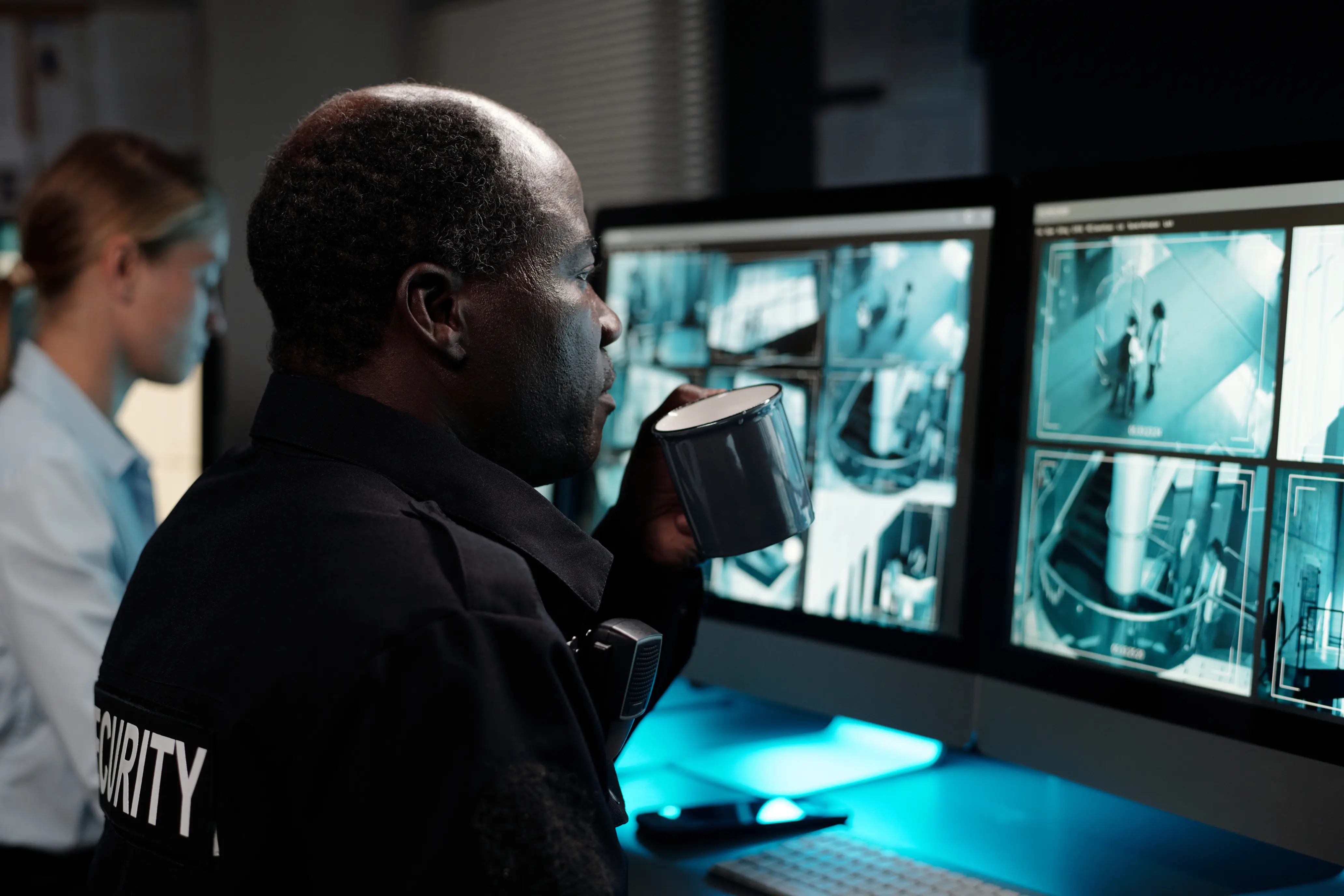
A visible camera system deters on its own and gives you a record when something does happen. The footage matters most when it is positioned and configured well, covering entrances, high-value displays, and known blind spots rather than scattered for show. Many stores get more from pairing recorded coverage with live video monitoring, so someone can notice a developing situation while there is still time to respond. If you are planning or upgrading a system, it helps to understand the types of surveillance systems and how professional camera installation and monitoring maps coverage to your actual layout.
Security tags, locked cases, and tethers protect specific items, but each one adds friction for honest buyers. Reserve them for genuinely high-loss merchandise, keep the unlocking process fast and staffed, and resist the urge to cage the whole store. A customer who has to flag down help for every small purchase often just leaves. Protect what truly needs it and let the rest of the floor breathe.
Prevention reduces theft; it does not eliminate it. What separates a well-run store from an exposed one is how staff respond when something happens, and the safest default is almost never physical confrontation. Merchandise is replaceable; an employee's safety and your store's legal exposure are not.
Clear, written guidance keeps that response consistent rather than improvised in the moment:
Detaining a suspected shoplifter is legally sensitive. Washington recognizes a general concept of reasonable mercantile detention, but what counts as reasonable, and the risk of getting it wrong, depends on the specifics. Set your store policy in line with what is lawful, and confirm the details for your situation with a qualified attorney rather than leaving it to an associate's judgment on the floor.
There is a point where staffing and cameras are not enough on their own: a location with persistent theft, a high-value inventory, an organized retail crime problem, or simply a floor too large for associates to cover while doing their actual jobs. That is where trained security earns its place.
A uniformed officer is a strong visible deterrent, and a retail loss prevention program can also fold in plainclothes coverage, behavior monitoring, and coordination with your in-store team. Trained unarmed guards are built for this work precisely because the priority is a calm, controlled environment, not escalation. Stonewall has done exactly this for stores in the region, including reducing theft at a high-volume cosmetics retailer where high-value, easily concealed products were the target. The aim throughout is the same one this whole guide is built around: fewer losses, and a store that still feels good to shop in.
Shoplifting prevention works best when it is layered, deliberate, and nearly invisible to the people you want to keep. Stonewall Security staffs Washington retailers with licensed, background-checked officers trained in theft deterrence, behavior monitoring, and calm, professional response, and we build each plan around your store's layout, merchandise, and risk level. We can combine on-floor guards with mobile patrol, camera coverage, and monitoring so the protection fits how your store actually runs.
If shrinkage is cutting into your margins and you want it handled without driving customers away, request a retail security consultation. We'll actually respond.

