

We handle security camera installation in Spokane for businesses and can watch the feeds live after hours. Cameras go where trouble starts, on entrances, lots and loading docks, and you can view them from your phone.










One team plans the cameras, installs them and watches them, so nothing falls between installer and monitor.
We look at your doors, lots and blind spots before choosing a single camera.
Cameras are mounted, wired and aimed at entrances, parking, docks and fence lines.
Recording is configured so footage is kept and easy to find when something happens.
Monitoring staff watch the feeds after hours and follow the steps you agreed with us.
Where the system supports it, software flags people and vehicles in watched areas.
You can check live views and recorded footage from a phone or computer.
Local Coverage
Most of our camera work protects places that sit empty overnight. Think parking lots, yards, storage sites and the tech and industrial buildings near the airport.
Owners often call us about patrol and end up choosing monitored cameras instead. The cameras watch every night and usually cost less than an officer on site.
Cameras suit quiet, spread-out sites, where an officer would spend most of the shift alone. They also leave you a record of what happened. Busy entrances with visitors still need a person.
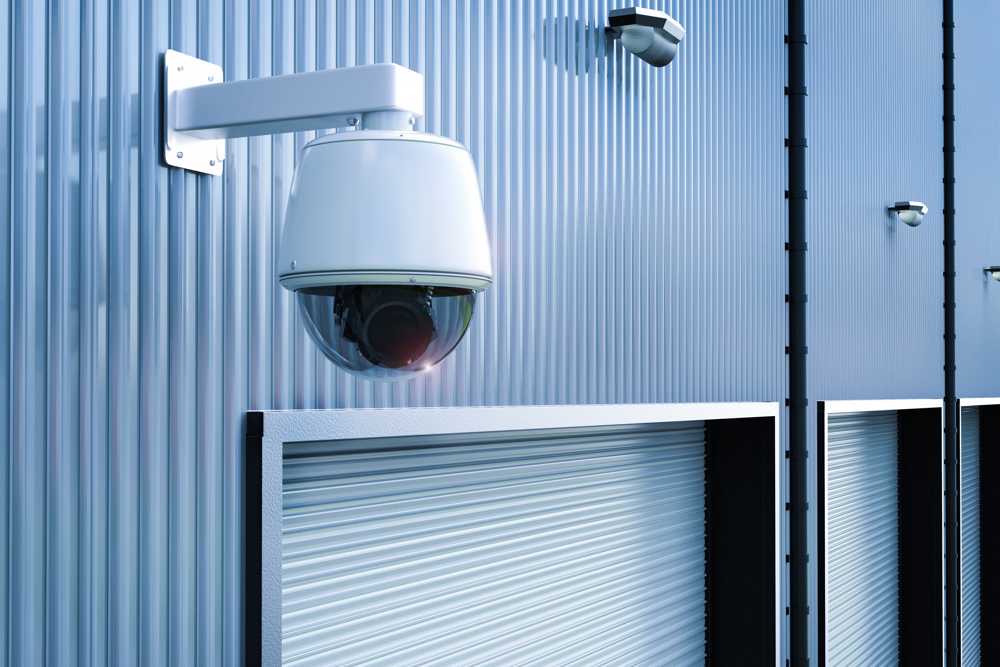
We plan the coverage with you, install it and check every view before we hand it over.

Each camera has a job: a door, a gate, a lot or a dock, with no wasted angles.
You decide who we call, and when police are called, if monitoring spots trouble.
Yards and loading docks get cameras on gates and stock, watched overnight when no one is there.
Job sites use cameras to protect tools and materials between shifts and over weekends.
Stores and offices put cameras on entrances, registers and parking to deter theft and settle disputes.
Residential properties use cameras on gates, garages and mail areas, where most complaints start.
Empty buildings use monitored cameras to catch break-ins and squatters early.
Larger campuses pair cameras with smart alerts to spot repeat suspicious behavior.