

Our fire watch services in Spokane cover buildings and job sites when the alarm or sprinklers are down. A guard walks the property and logs each round until the system is back.










While the system is out, the guard is your early warning. That means walking the site, checking for hazards and writing it all down.
Someone stays on site for the full period your fire marshal or insurer asks for.
Each walk records the time and the areas covered, so an inspector can review it.
The guard looks for smoke, heat, blocked exits and unsafe work, and calls 911 at any sign of fire.
Give us the contractor's expected finish. We book shifts to match and extend them if parts are delayed.
Offices, apartments, warehouses and construction sites can all be covered while systems are offline.
Frozen pipes can take sprinklers out of service. Call as soon as your contractor confirms the problem.
Local Coverage
We cover fire watch in Downtown offices and campus-area properties in the University District. Warehouses and construction sites in North Spokane and Hillyard are covered too.
Older buildings often have long corridors and awkward layouts, and ice can slow outside walks. We set the route first so each area is reached on schedule.
A fire watch usually starts when an alarm or sprinkler system fails or is shut down for work. Washington has adopted the International Fire Code statewide, and your local fire code official decides what applies to your building. Within the city, that is the Spokane Fire Department. We follow what they require.

We agree the route and the timing first, then keep a record you can hand over at any point.
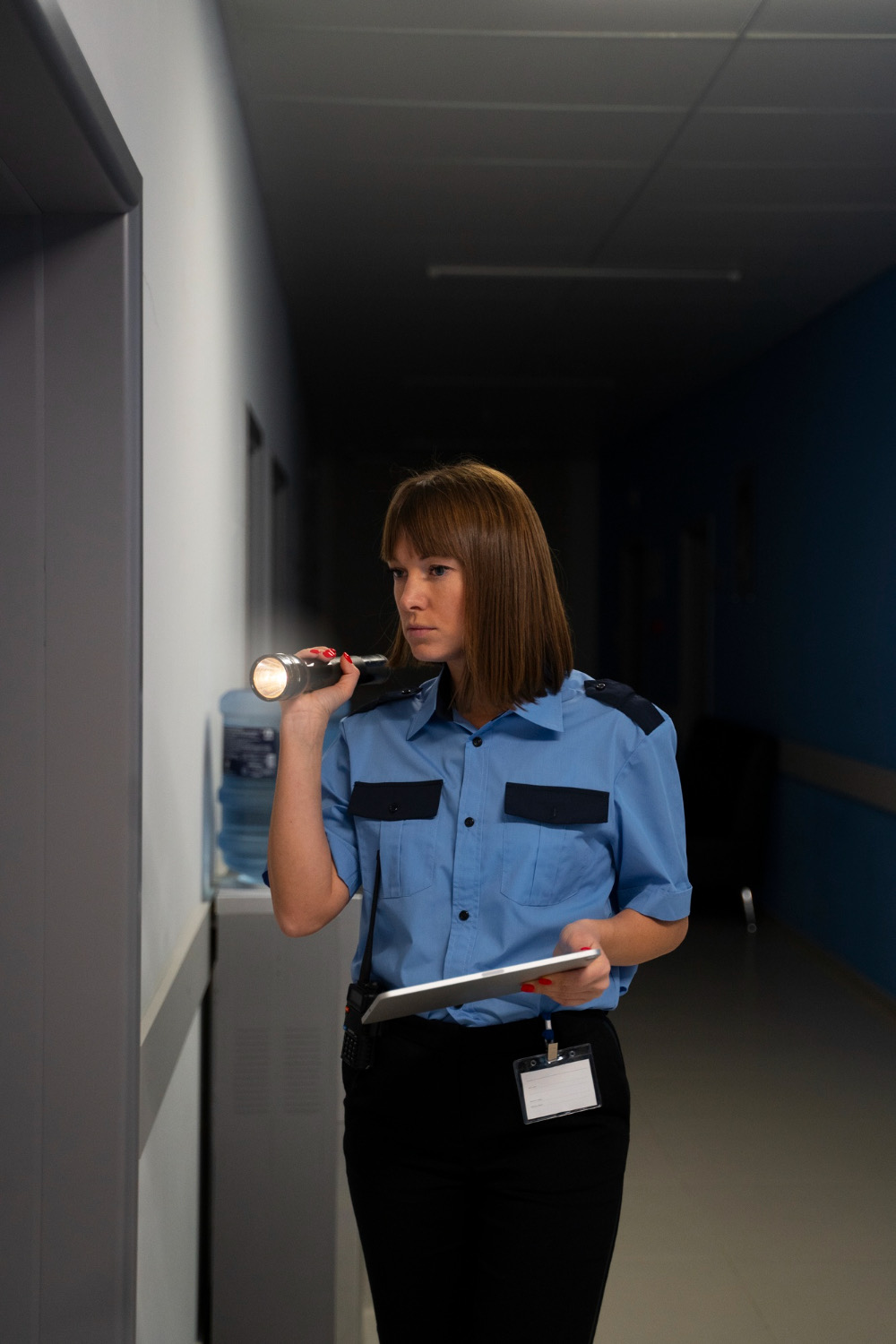
Time-stamped entries show when each part of the building was checked.
Shifts continue through nights and weekends until your system is working again.
Who We Protect
Hot work and unfinished systems carry more risk. The guard stays alert after welding and cutting, and during periods the fire code official asks for.
Tenants can often remain in place while repairs happen. The guard follows a set route over each floor.
Care settings cannot always move people out. Watch rounds help protect patients and staff until the system returns.
Long aisles and loading bays take time to cover, so rounds are mapped to reach every section.
Shops can often remain open with fire marshal approval, while a guard walks the floor, stockrooms and rear exits.
Plants and yards with fuel or equipment get rounds focused on where a fire would start or spread.
Answers to what building managers ask first.