

Our security guard services in Spokane put a uniformed officer at your entrance, lobby or gate, on your hours. Each post runs on written orders, and you get a report after every shift.










A guard on post is there to be seen, to check who comes in and to write down what happens.
Visitors are greeted, signed in and pointed the right way, so your staff can keep working.
The officer checks who enters and keeps service doors and loading docks shut when they should be.
Set walks cover stairwells, parking and fence lines, with each round noted in the log.
Officers talk to people before anything else and call 911 at the point your orders set.
Most posts are unarmed. An armed officer is added only where cash, stock or past incidents call for it.
You get written notes on what was checked and anything that happened, ready for your files.
Local Coverage
Our officers cover an office tower Downtown, a South Hill medical facility and a campus near the University District. Retail along North Monroe and a development in the Perry District use them too.
Most posts start with one officer at the main entrance. Larger sites add a second for rounds or the loading dock once we have walked the property together.
A posted guard suits places with people coming and going all day, like lobbies, clinics, stores and campuses. Sites that empty out after hours often need less. A few patrol stops a night can be enough.
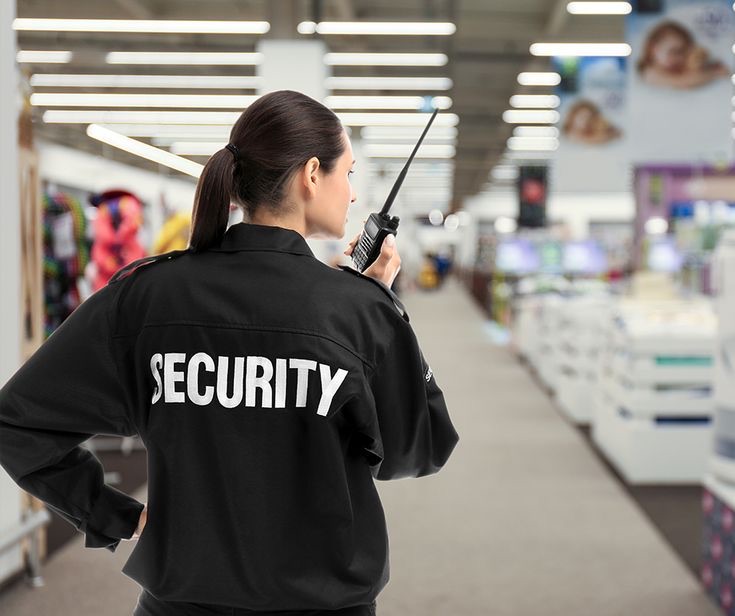
We walk the site with you, agree on the orders in writing and then put the schedule in place.

They list the doors, the rounds, who may enter and when police are called.
Coverage can run business hours, nights, weekends or around the clock.
Office buildings use a front-desk officer to greet visitors, check badges and keep the lobby orderly.
Clinics and hospitals post officers in lobbies and emergency entrances, where calm handling matters most at night.
Stores and shopping centers use a visible officer to discourage theft and back up staff with difficult customers.
Colleges use guards who stay approachable for students while keeping unauthorized visitors out.
Government buildings use officers to keep service counters and public meetings orderly.
Apartment buildings and HOAs use guards at gates and common areas, often on evenings and weekends.