
.png)
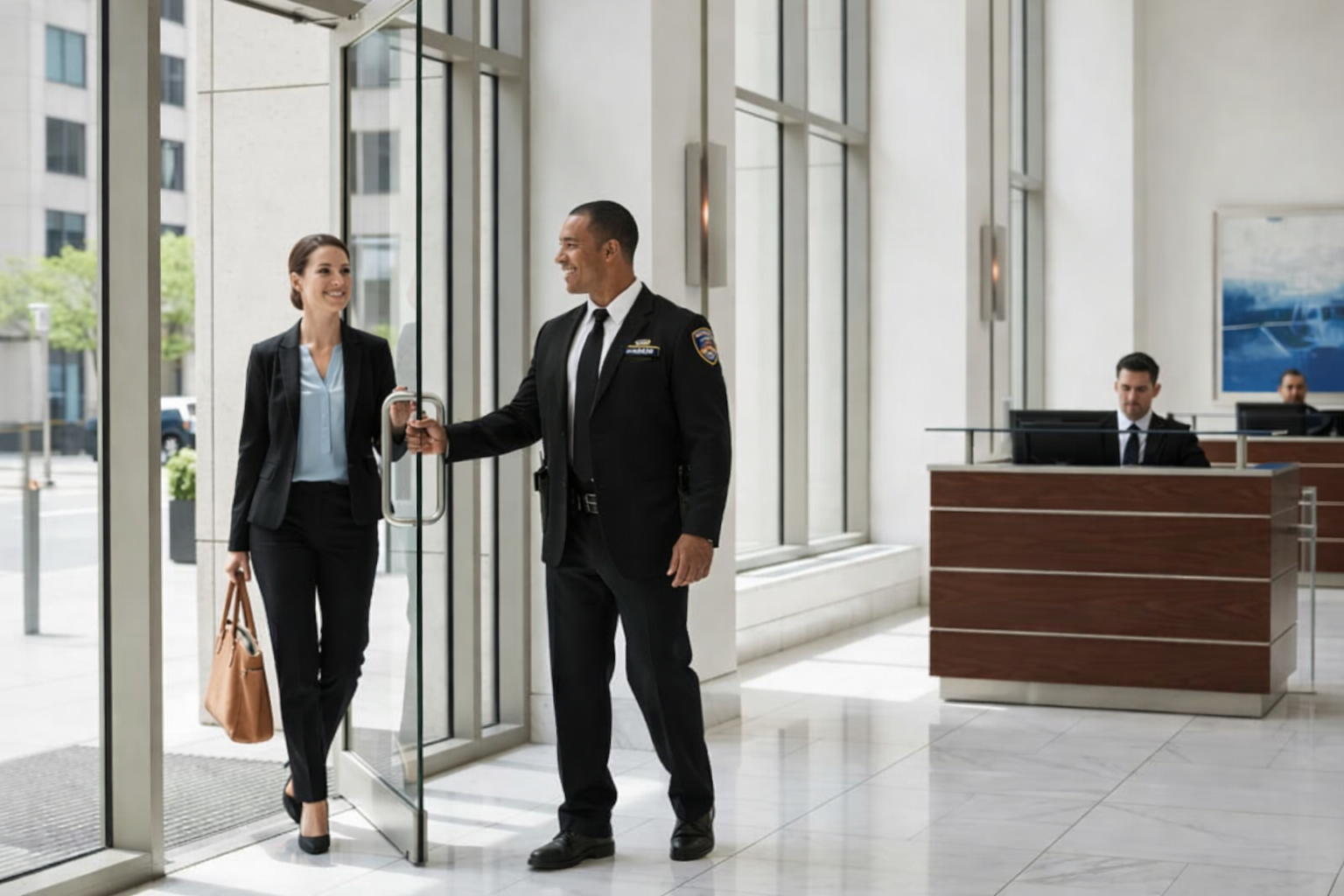
Unarmed security is one of the most common forms of protection used across commercial properties, residential communities, construction sites, retail spaces, and events. It plays an important role in day to day safety because many properties do not need the highest possible level of force. They need reliable people on site who can monitor activity, control access, respond to issues, and help prevent problems before they grow.
That is where unarmed security fits.
For many properties, unarmed guards provide the right balance of visibility, professionalism, and practical support. Their presence can help discourage trespassing, theft, disruptions, and unauthorized access while also giving staff, residents, customers, or visitors greater peace of mind. To understand why this service is used so often, it helps to look at what unarmed security really means, how it works in practice, and where it is most effective.
Unarmed security refers to security personnel who protect people, property, and assets without carrying a firearm. Their role is built around prevention, observation, communication, and response.
That does not mean their work is limited. In many settings, unarmed guards are the first line of defense. They watch entrances, monitor activity, patrol the property, handle access control, assist with incidents, and help keep the environment orderly. In some cases, their visible presence alone is enough to discourage unwanted behavior.
This is one of the biggest reasons unarmed security remains so valuable. Many problems begin as small issues. A person who should not be there, a door that has been left unsecured, suspicious activity in a parking area, or a disagreement that starts to escalate can all become larger concerns if no one notices them early. A trained unarmed guard helps catch those moments before they become something more serious.
Not every property faces a high threat environment, but almost every property faces some level of risk.
In many cases, the real challenges are not extreme emergencies. They are the daily issues that interfere with safety and operations. These may include unauthorized access, loitering, theft, property damage, after hours trespassing, policy violations, or confusion during an unexpected incident.
Unarmed security is often the right fit because it is designed to address these everyday risks. It provides a professional on site presence that can notice problems early, respond according to procedure, and support a more controlled environment.
That makes it practical for a wide range of properties. It also makes it a strong option for sites that want security without creating an atmosphere that feels more forceful than necessary.
Unarmed security is most effective when it is built around the actual needs of the property. A strong service is not just about posting a guard at the site. It is about understanding the environment and creating coverage that fits how the property operates.
Every location has its own risks, traffic flow, access points, and vulnerable areas. An office building does not operate like a residential community. A construction site does not face the same issues as a retail center. Because of that, security works best when the guard understands what normal activity looks like at that location and what kinds of issues are most likely to happen there.
This first step matters because good security is specific. It should reflect the property, the hours of activity, the people on site, and the type of protection that is actually needed.
One of the strongest advantages of unarmed security is visibility. A guard standing at an entrance, posted in a lobby, or moving through a patrol route changes how a property feels. It makes it clear that the site is being watched.
That alone can prevent problems. People are less likely to ignore rules, enter restricted areas, or test boundaries when they know security is present. Visitors are more likely to follow check in procedures. Someone looking for an easy opportunity may decide not to act at all.
In that sense, unarmed security often works before an incident even starts.
A large part of unarmed security depends on noticing what others might miss. Guards watch for unusual movement, unauthorized access, safety hazards, suspicious behavior, and changes in the environment that could signal a problem.
Many incidents do not begin with something dramatic. They begin with small warning signs. That could be a side door left open, someone lingering too long near a restricted area, an unfamiliar vehicle parked where it should not be, or a disagreement building between individuals on site.
A trained unarmed guard is there to recognize those details, assess the situation, and take the right next step.
Unarmed guards are also responsible for responding when something happens. The exact response depends on the situation and the property procedures in place.
In some cases, the guard may approach an unauthorized person and verify why they are there. In others, they may contact management, guide people away from a problem area, assist with an evacuation, call emergency services, or document an incident for follow up.
The purpose is not to create unnecessary escalation. It is to restore order, protect the site, and make sure the right process is followed.
A professional security service also includes documentation. Guards often maintain patrol logs, incident reports, visitor records, and notes about unusual activity on site.
This reporting matters because it gives the property a clear record of what happened, when it happened, and how it was handled. Over time, that can help identify patterns, recurring concerns, and areas where security procedures may need to improve.
The exact duties of an unarmed guard depend on the site, but most responsibilities fall into a few clear categories.
Common duties often include:
These responsibilities may seem straightforward, but that is part of what makes them effective. Security often works best through consistency. A property that is watched carefully and managed well is often much harder to disrupt.
Unarmed security is used in many different environments because many properties need active oversight without armed coverage.
Office spaces often use unarmed guards to manage visitor access, monitor lobbies, and support after hours oversight. In these environments, security needs to be professional, steady, and visible without disrupting the workday.
Retail spaces deal with heavy foot traffic, theft concerns, disruptive behavior, and access issues. Unarmed guards help by watching entrances and exits, providing a visible deterrent, and responding quickly when staff need support.
Construction sites are often vulnerable after hours. Tools, materials, and equipment can attract trespassers and theft. Unarmed guards can patrol the site, monitor gates, and document activity when fewer people are around.
Apartment complexes, condominium properties, and managed communities often rely on unarmed security to monitor visitors, watch common areas, and help residents feel more secure. Their presence can also support a more orderly environment overall.
Some places need security that feels approachable and calm. In settings where people expect assistance as much as oversight, unarmed security can help maintain control without creating a stronger force presence than the environment calls for.
Events often need temporary security for entrances, guest flow, parking areas, restricted sections, and general crowd oversight. Unarmed guards can help reduce confusion, support event staff, and step in quickly when issues arise.
Not all security services deliver the same level of value. The quality of the provider matters just as much as the decision to use security in the first place.
A strong provider should understand the property, explain how coverage will work, place guards who are professional and alert, and maintain clear communication with the client. Reporting also matters. Security is more useful when the property has real visibility into what is happening on site.
Most importantly, the service should not feel generic. Effective security should be shaped by the location, the hours, the activity level, and the concerns tied to that environment.
Unarmed security remains one of the most practical options for many properties because it addresses the kinds of risks sites deal with every day. It helps deter unwanted behavior, improves control over access, supports faster response, and creates a stronger sense of order.
That is why it continues to be used across so many industries. In the right setting, unarmed security is not a lesser option. It is the right one.
If your property needs a dependable security presence, the right team can make a real difference. Stonewall Security provides professional security services designed to help properties stay protected, organized, and better prepared for day to day risks.
Reach out to Stonewall Security today to discuss the right unarmed security solution for your property and get coverage that fits your site, your concerns, and your daily operations.

