
.png)
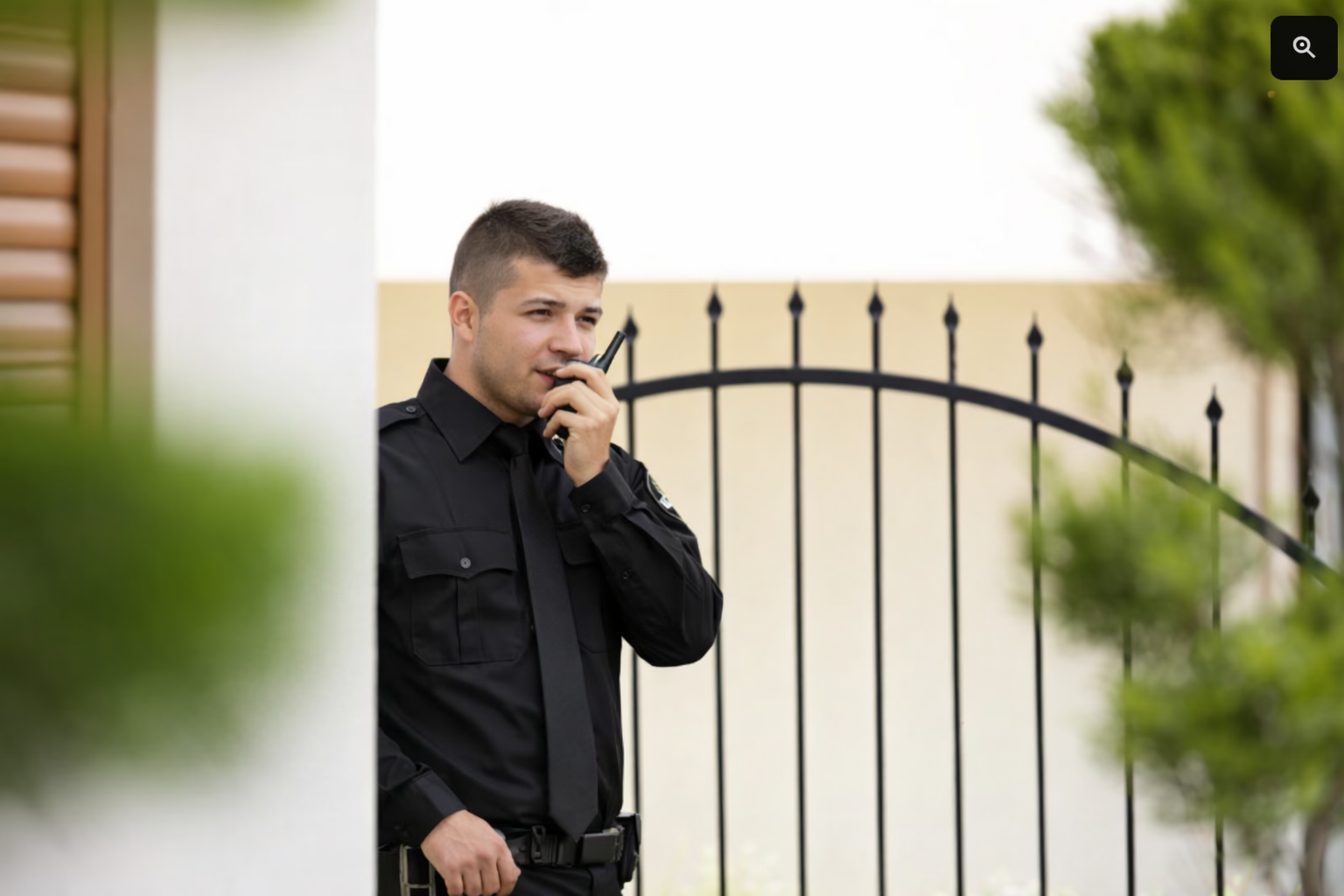
An unarmed security officer is authorized to protect a property through presence, observation, access control, rule enforcement, reporting, and incident response. What they are allowed to do usually depends on state law, company policy, site instructions, and the authority of the property owner.
That is the short answer.
The fuller answer is that an unarmed security officer can do a lot on private property, but the role has limits. They are not police officers, and they do not automatically have law enforcement powers. Their authority is tied to the site they are protecting and the duties they have been assigned to perform.
For businesses, property managers, and organizations hiring security, that distinction matters. A strong security presence depends on knowing what an officer can handle, where the boundaries are, and when a situation needs to be escalated.
An unarmed security officer protects people, property, and daily operations without carrying a firearm.
In most settings, that means the officer is there to:
This role is often more active than people expect. Unarmed officers are not there only to stand at a post. In many environments, they are the first person to notice a developing issue and the first person to respond.
An unarmed security officer does not create their own authority. It usually comes from several sources working together.
Many states regulate private security through licensing, registration, and training rules. These laws can affect what an officer is allowed to do, how they must report incidents, and whether detention is permitted in narrow situations.
Security companies usually set internal rules for how officers handle access control, emergencies, incidents, reporting, and contact with the public.
Post orders are the site specific instructions for a property. They explain what the officer should monitor, which areas matter most, who to contact, and how to respond to common problems.
On private property, an officer often acts on behalf of the owner or client. That is why they may be authorized to enforce site rules, deny entry, or ask someone to leave.
This is where most people want a direct answer. While details vary by site and jurisdiction, the following duties are commonly part of the role.
Access control is one of the clearest responsibilities an unarmed security officer can have.
They may be authorized to:
This is often the first layer of protection on a site. Controlling access helps prevent many problems before they begin.
An unarmed security officer is usually authorized to patrol the property on foot or, in some settings, by vehicle.
Patrols may include:
The point of patrols is to spot unusual activity, safety issues, or signs of damage before they turn into larger problems.
Observation and reporting are at the center of the job.
An unarmed security officer is generally authorized to:
This may sound basic, but it is one of the most valuable parts of the service. Good reporting gives the client a record of what happened and how it was handled.
On private property, an unarmed security officer is often authorized to enforce property rules and site procedures.
That may include rules about:
This does not mean the officer is acting as law enforcement. It means they are helping the property operate safely and according to the rules set by the client.
Security officers are usually expected to respond when something on site needs attention.
That may include:
In many cases, the officer’s first tool is communication. The goal is often to assess the situation, deescalate it, and follow the next step required by site procedure.
This is a common and important part of the role.
If someone is trespassing, breaking site rules, or creating a disruption, an unarmed security officer may be authorized to tell that person to leave. If the person refuses, the officer may need to contact a supervisor, property representative, or law enforcement.
This authority usually comes from the rights of the property owner, not from police powers.
An unarmed security officer is generally authorized to contact police, fire, or medical responders when the situation calls for it.
That may happen during:
Security officers are often the first organized presence on scene, which is why this part of the role matters so much.
Depending on the site, an unarmed security officer may also help with emergency procedures.
This can include:
Their role is usually procedural and site based, but it can make a major difference when people need direction quickly.
Some parts of the role depend heavily on state law and company policy, so they should be understood more carefully.
In some jurisdictions, a security officer may have limited authority to detain someone under specific conditions, such as observed theft or another situation recognized by law.
This is not something to describe broadly because the rules vary. It is one of the most legally sensitive parts of private security work. Many companies place strict limits on it and focus instead on observation, witness information, and calling law enforcement.
At some sites, an officer may be authorized to inspect bags, verify credentials, or check vehicles if that is part of the entry process and clearly tied to private property rules.
That is very different from having unrestricted search authority. In most cases, these checks depend on notice, consent, or clear site policy.
This part is just as important as the duties above.
An unarmed security officer is generally not authorized to:
That is why professional training matters. A well trained officer knows when to act, when to document, and when to escalate the issue to law enforcement or management.
Hiring security without understanding the role can lead to the wrong expectations.
Some clients assume an unarmed officer can handle every possible problem alone. Others underestimate how much value the role actually brings. The reality is in the middle.
An unarmed security officer can provide strong day to day protection by:
For many sites, that is exactly the level of support needed.
The strongest results usually come from clear alignment between the client and the security provider.
That means the site should have:
When those pieces are in place, the officer can do the job more effectively and the property gets more value from the service.
An unarmed security officer is authorized to do far more than simply watch a doorway. In many settings, the role includes access control, patrols, rule enforcement, incident response, reporting, and emergency support.
At the same time, the position has clear limits. An unarmed security officer is not law enforcement, and the role works best when everyone understands both the authority involved and the boundaries around it.
That is what makes unarmed security effective. It is not about doing everything. It is about doing the right things consistently, professionally, and within the proper scope.
Stonewall Security provides unarmed security services for businesses, properties, and organizations that need dependable site protection and clear operational support. Unarmed security is the company’s primary service focus, making up the largest share of its work across client sites in Washington.
Reach out to Stonewall Security to discuss your property, your security concerns, and the kind of unarmed security coverage that fits your site.

