
.png)
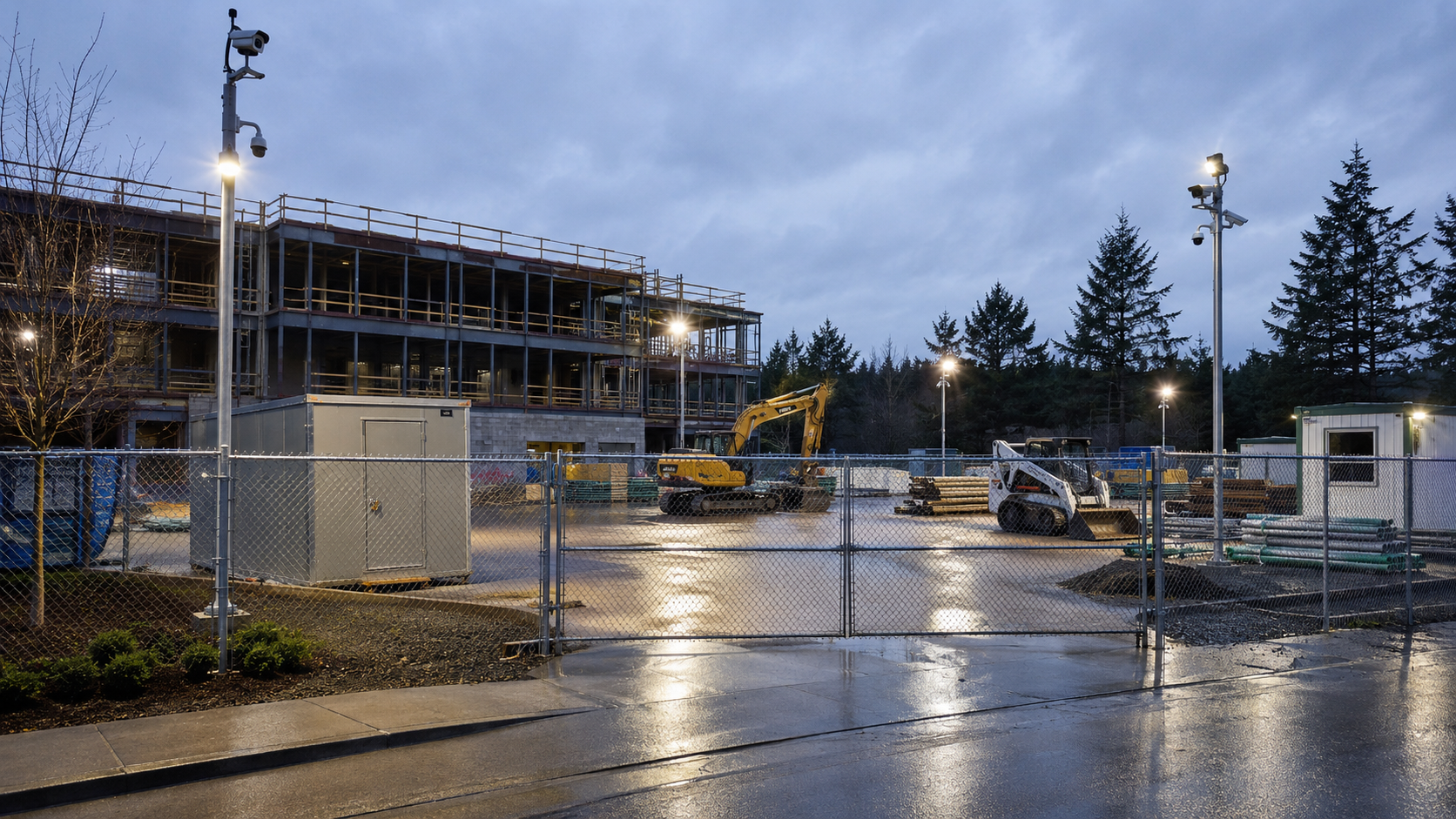
Knowing how to prevent construction site theft is one of the most direct ways to protect a project's budget and its schedule, because an active build is one of the easiest targets around. Materials sit in the open, tools move between crews, expensive equipment is parked overnight, and the site changes daily as new deliveries arrive. A single break in can cost you copper, fuel, generators, or a piece of machinery, and the real damage often shows up later as stalled work, insurance claims, and rising premiums. Good security is not one product you buy once. It is a set of layers you build into the job from the first site walk to the final punch list. This guide explains how to protect a construction site at each stage, from planning through active work and the quiet hours when no one is around.
Construction sites carry a lot of value with very little standing between it and the street. Copper wire, catalytic converters, lumber, power tools, fuel, and equipment all resell quickly and are hard to trace once they leave. Sites are often open on several sides, lit unevenly, and empty for long stretches on nights and weekends. In the Pacific Northwest, short winter daylight means a site can sit dark by mid afternoon, which widens the window when no one is watching. Understanding the security risks a construction site carries is the starting point, and that work begins before the first load of material ever arrives.
The strongest decisions about construction site security are made before work begins, while you still have time to design coverage around the site instead of reacting to a loss. Walk the property with the same eye an opportunist would use. Where can someone enter without being seen? Which sides border alleys, vacant lots, or quiet roads? Where will materials be staged, and where will equipment sit overnight? Mapping these answers early tells you where fencing, lighting, cameras, and patrols will do the most good, and it keeps you from spreading a limited budget thin.
This is where you find the gaps. Note every point of entry, including the informal ones a crew uses for convenience, and every stretch of perimeter that a fence or camera cannot easily see. Blind spots behind material piles, trailers, or partial structures are exactly where theft tends to happen, so plan to cover them rather than hope they go unnoticed.
Not every job needs the same protection. A large commercial site holding six figures of equipment in an isolated area may justify standing unarmed guards, while a smaller build in a busy neighborhood may be covered well by patrols and cameras. Set your coverage to the value on site and how exposed it is, and expect that risk to shift as the project moves through phases.
Once site work starts, the perimeter becomes your first real line of defense. The goal is simple. Make the site hard to enter unseen and unpleasant to linger in.
A solid fence with a limited number of controlled gates funnels everyone through points you can watch. Keep gates locked when the site is closed, and treat access control as a daily habit: track who holds keys or codes, and change them when crews turn over. The fewer ways in, the fewer problems you invite, and the easier it is to tell who belongs on site during working hours.
Theft prefers darkness and cover. Bright, even lighting across staging areas, entrances, and equipment parking removes the shadows an intruder counts on, and open sightlines let anyone passing, including a patrol officer, see straight across the site. Given how early it gets dark here through the winter, lighting earns its place on nearly every job.
Deliveries are the moment a site suddenly holds real value, and this is the phase where most theft and vandalism happens. The window between a load arriving and it being installed or locked away is when the most tends to go missing. Stage materials away from the perimeter, keep only what you need on site, and secure tools, fuel, and small equipment in locked containers or trailers at the end of each day. Marking equipment and keeping a running inventory will not stop a determined thief, but it makes resale harder and recovery more likely.
The table below maps the items crews lose most often and the practical step that reduces each risk.
Lumber and materials
Resell easily in bulk
Stage away from access points, order to the schedule
Physical measures slow a thief down, but a visible human presence is what most often turns them away before they try. Once a build is active and full of value, staffing it changes the math for anyone sizing up the property.
A licensed officer on site is a clear signal that someone is watching and will respond. For properties that do not need a full time post, mobile patrol provides scheduled and randomized checks that keep the site unpredictable, which is exactly what deters the person waiting for a routine to exploit. Whichever you use, clear post orders and daily reports keep everyone accountable and give you a written record of what happened on site each day.
Cameras extend your coverage into the corners a guard cannot stand in at all hours, and they give you evidence when something does happen. A commercial camera system placed to cover entrances, staging areas, and equipment parking captures the activity that matters, and live monitoring means a person can catch an intrusion as it unfolds rather than after the fact. The footage a camera produces at 2 a.m. is usually the footage you will actually need.
Most construction theft happens when the site is empty, so the hours after your crew leaves deserve the most attention. Weekends, holidays, and long idle periods between phases are prime windows, and the early darkness of a Washington winter only widens them. This is where layered coverage pays off. Locked gates and good lighting set the stage, cameras and live video monitoring watch the quiet hours, and scheduled patrols put a real presence on site when a thief is counting on there being none. No single layer covers everything, but together they close the gaps an opportunist looks for.
Even a well protected site can be hit, and how you respond affects both recovery and your next insurance conversation. Report the loss to law enforcement promptly, pull and save the relevant camera footage before it is overwritten, and gather the serial numbers and inventory records you kept. Clear daily reports and retained video give investigators and your insurer something concrete to work with, and they help you tighten the coverage that was tested. Keep in mind that private security officers are not law enforcement and do not hold police powers. Their role is to deter, observe, document, and respond within lawful limits, then hand solid information to the authorities.
Protecting a build takes coverage designed around the site in front of you, not a template dropped on top of it. Stonewall Security staffs licensed and background checked Washington guards, runs mobile patrol, and installs and monitors commercial camera systems for construction and development sites across Seattle, Bellevue, Tacoma, Everett, Spokane, and surrounding communities. If you want a security plan built around your project's real risk, request a security consultation and we will actually respond.

